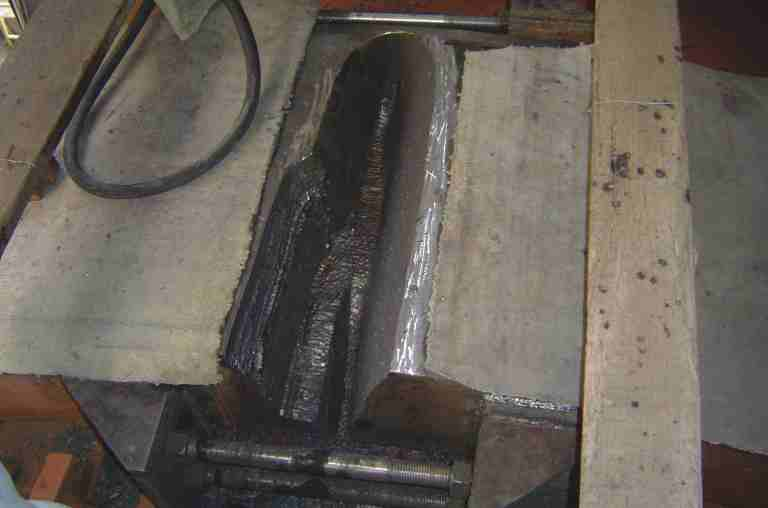
An excellent electrode for gouging and beveling and removable of weld defects for ferrous or non-ferrous metal
Applications:
Special electrode for all position cutting and piercing of all metals
Applications:
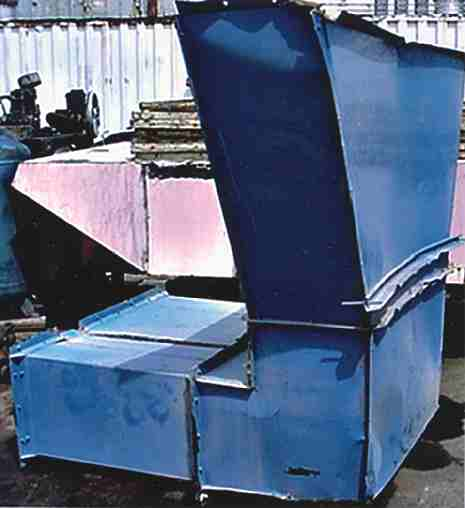
All position electrode for welding of low carbon thin sheets, forms and plates
Applications:
Typical Mechanical Properties:
Tensile Strength: : 53 Kg/mm2
(75,000 psi)
Moisture resistant electrode for welding low alloy and high tensile steels
Applications:
Typical Mechanical Properties:
Tensile Strength: 59Kg/mm2
(82,000 psi)
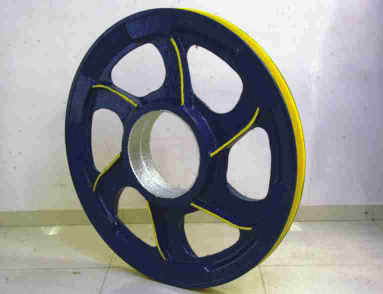
Universal electrode for joining of different steel with high strength heat and corrosion resistance
Applications:
Typical Mechanical Properties:
Tensile Strength: 70 Kg/mm2
(98,000 psi)
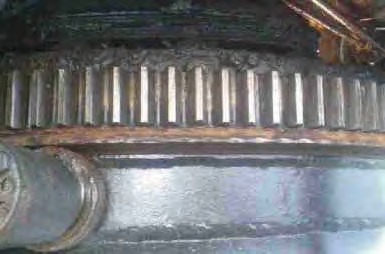
A high alloy electrode for welding dissimilar steels and unknown steels – high carbon to all steels
Applications:
Typical Mechanical Properties:
Tensile Strength: 87 Kg/mm2
(1,22,000 psi)
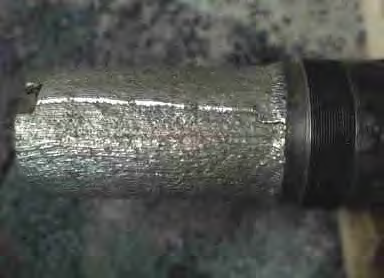
Very low heat input electrode for joining, built-up of dissimilar & difficult to weld steels
Applications:
Typical Mechanical Properties:
Tensile Strength: 87 Kg/mm2
(1,22,000 psi)
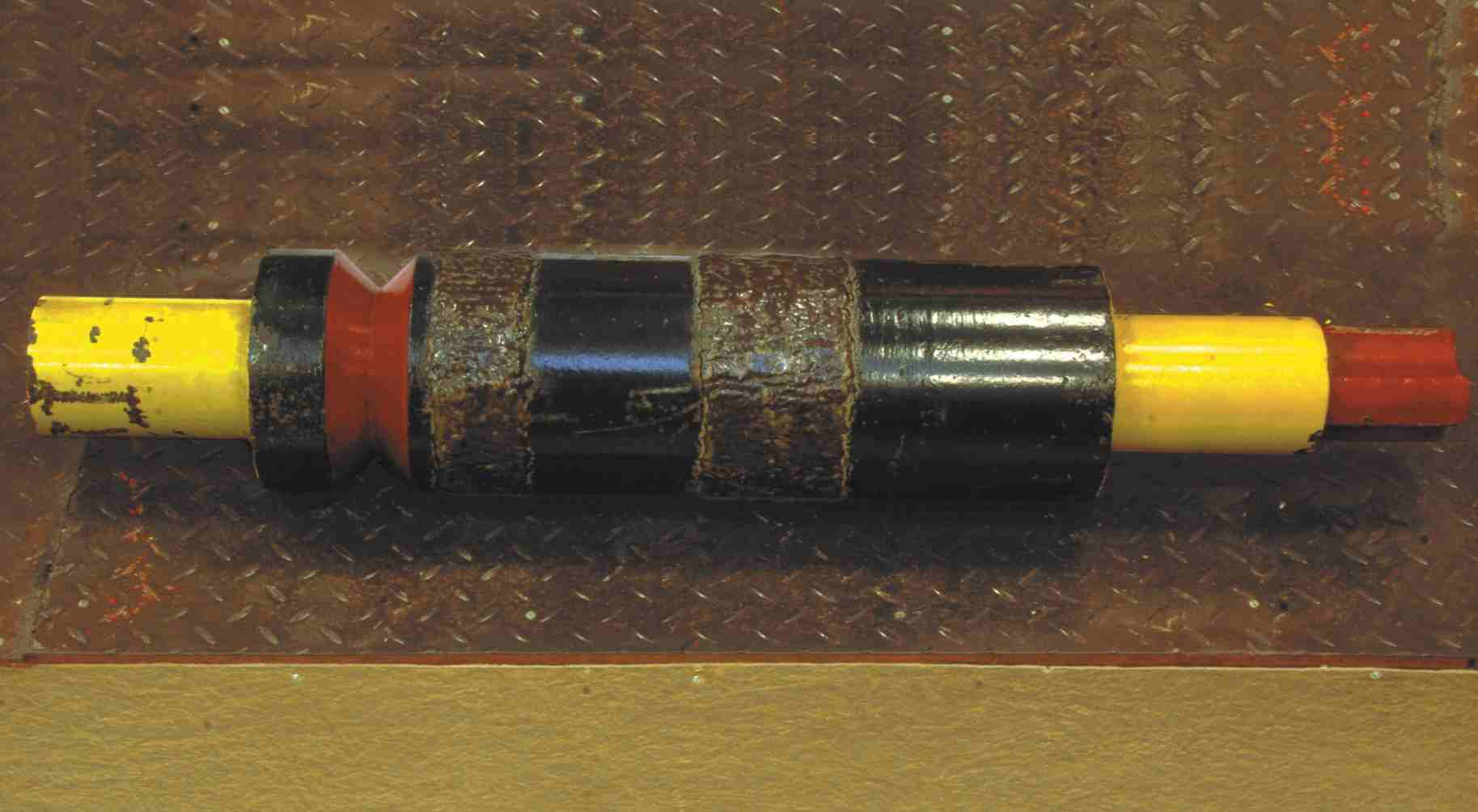
Weld metal with high toughness, high strength & ductility for joining dissimilar steels
Applications:
Typical Mechanical Properties:
Tensile Strength: 87 Kg/mm2
(1,22,000 psi)
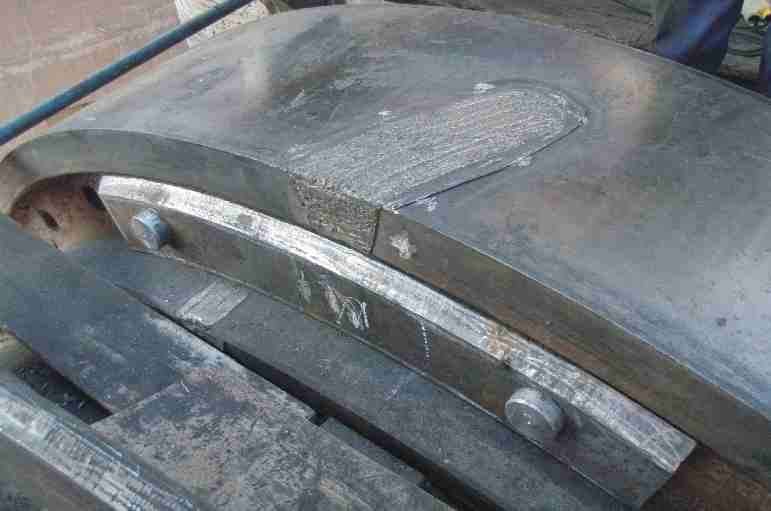
Special flux coated electrode for joining and repair of heavy and massive sections and dissimilar steels
Applications:
Typical Mechanical Properties:
Tensile Strength: 66 Kg/mm2
(92,000 psi)
Elongation: 30 – 35%
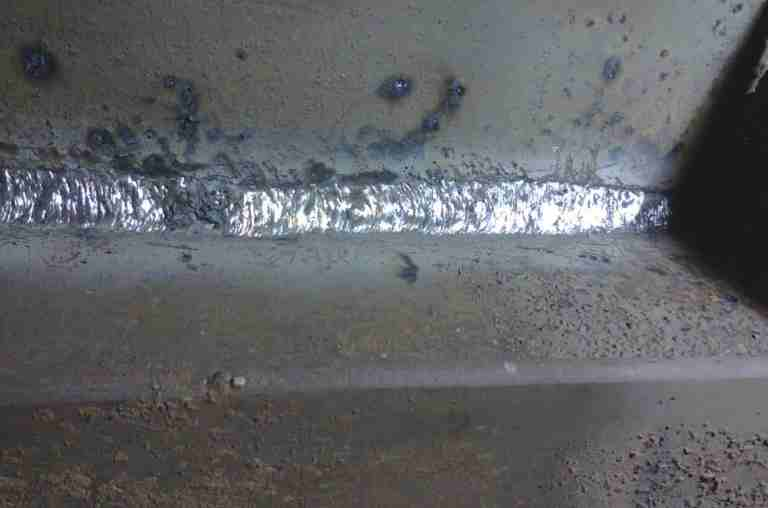
Electrode for joining high alloy steels subjected to thermal cycling and joining without effects of HAZ
Applications:
Typical Mechanical Properties:
Tensile Strength: 66 Kg/mm2
(92,000 psi)
Elongation: 45%
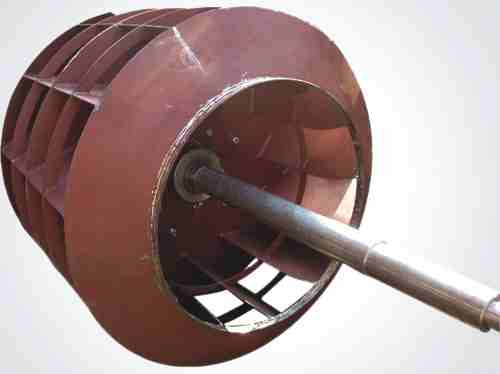
High strength electrode for joining and repair of cast steels and HSLA steels
Applications:
Typical Mechanical Properties:
Tensile Strength: 67 Kg/mm2
(96,000 psi)
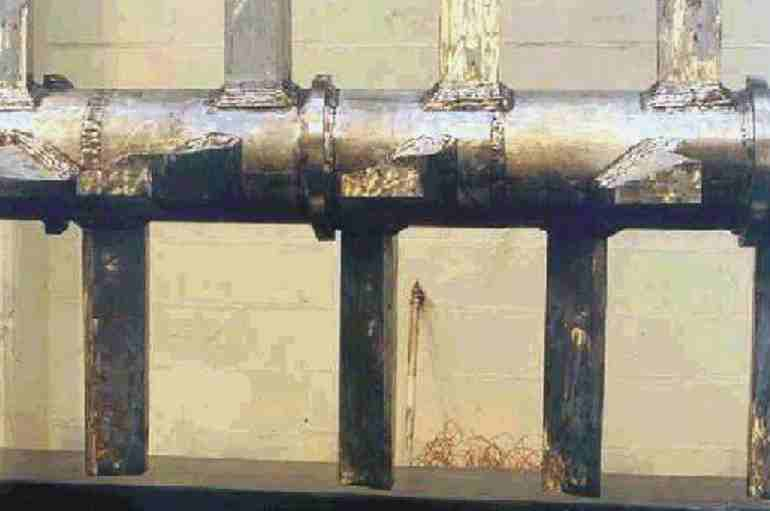
Low carbon stainless steel electrode with excellent heat and corrosion resistance for joining and overlay applications
Applications:
Typical Mechanical Properties:
Tensile Strength: 58 Kg/mm2
(82,000 psi)
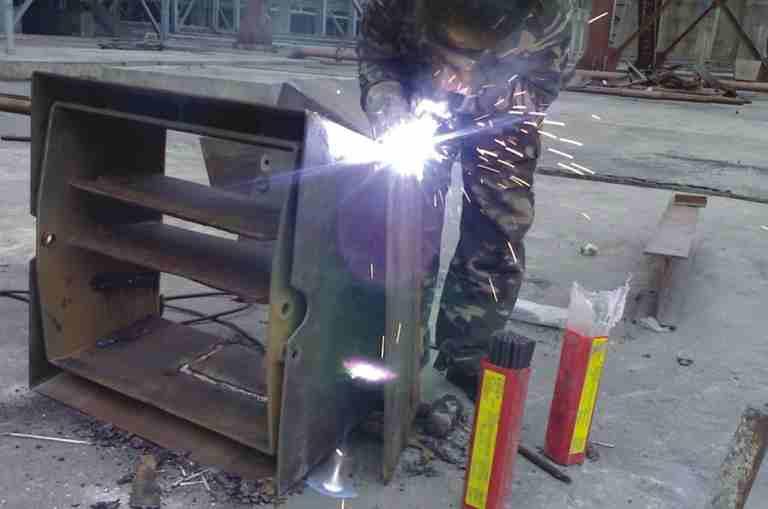
Excellent electrode for joining wide range of SS and MS base metal for oxidation and heat resistance applications
Applications:
Typical Mechanical Properties:
Tensile Strength: 69 Kg/mm2
(97,000 psi)
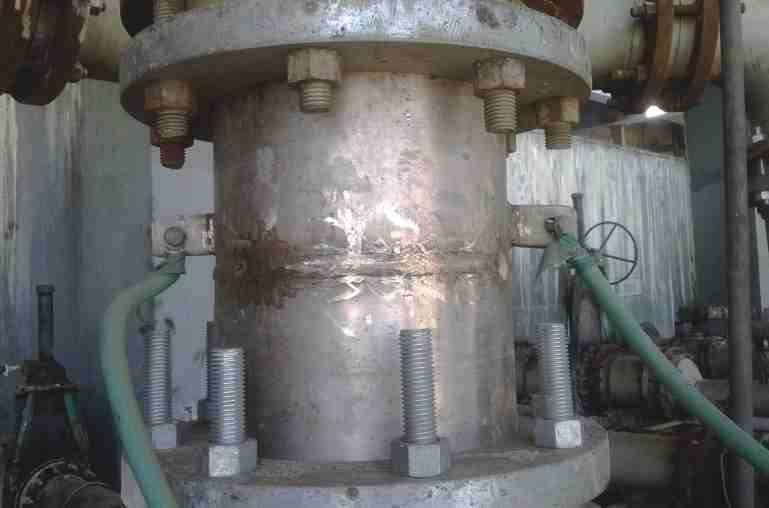
Moly-bearing stainless steel electrode with enhanced corrosion resistance both for joining and surfacing
Applications:
Typical Mechanical Properties:
Tensile Strength: 62 Kg/mm2
(87,000 psi)
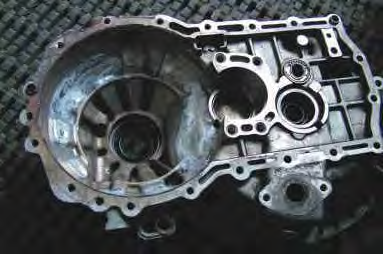
Innovative alloy with strong arc force and cleaning action for contaminated cast irons
Applications:
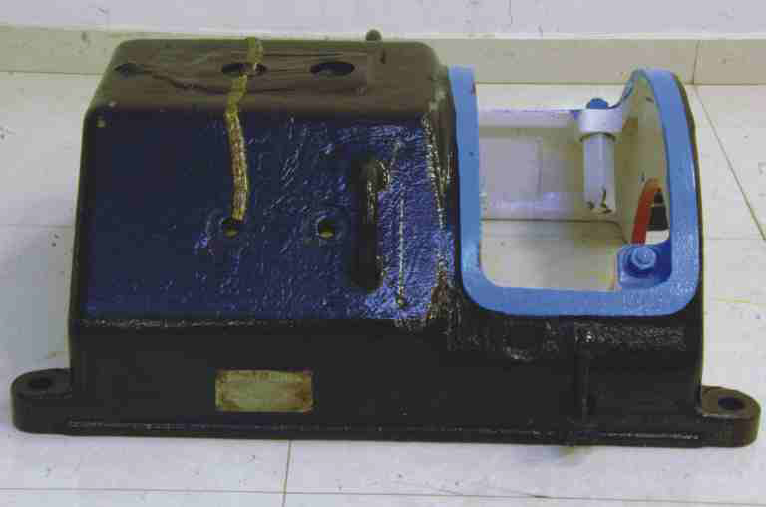
Versatile electrode for welding of heavy sections and crack sensitive applications
Applications:
Typical Mechanical Properties:
Tensile Strength: 42 Kg/mm2
(58,000 psi)
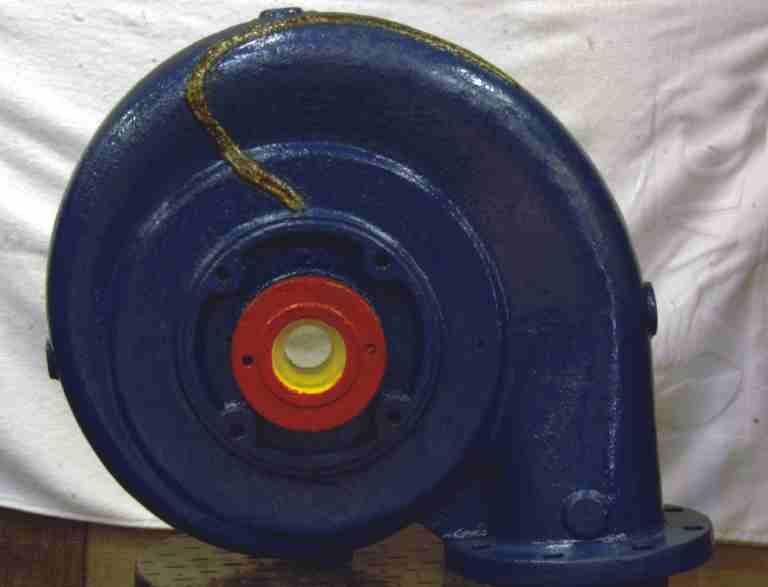
A high Ni electrode for repairing thin sections of gray cast iron with excellent machinability
Applications:
Typical Mechanical Properties:
Tensile Strength: 37 Kg/mm2
(52, 000 psi)
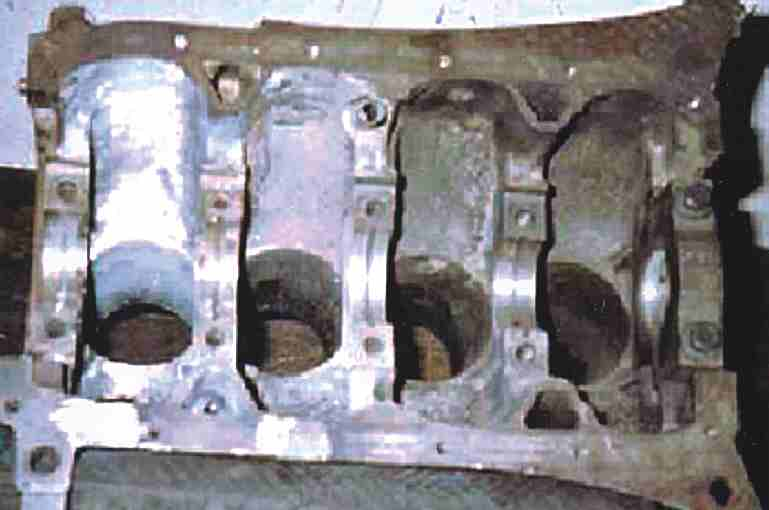
A high nickel electrode for repairing gray cast iron and joining casting to steel
Applications:
Typical Mechanical Properties:
Tensile Strength: 37 Kg/mm2
(52,000 psi)
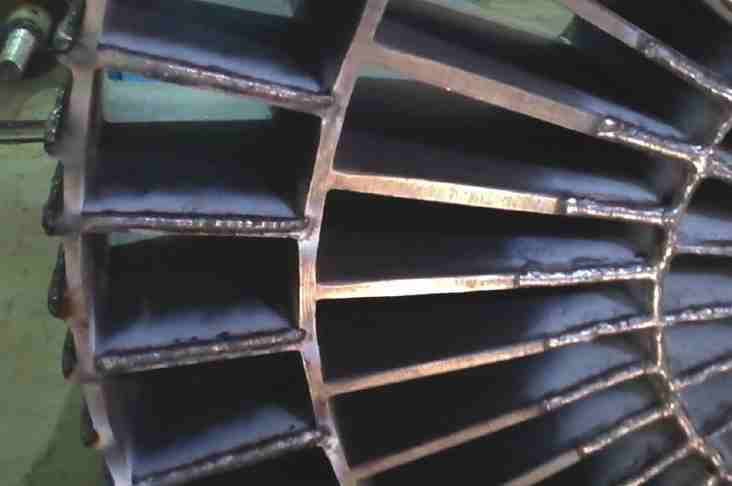
For joining steel to cast Iron & rebuilding of nodular and alloyed cast irons
Applications:
Typical Mechanical Properties:
Tensile Strength: 42 Kg/mm2
(59,000 psi)
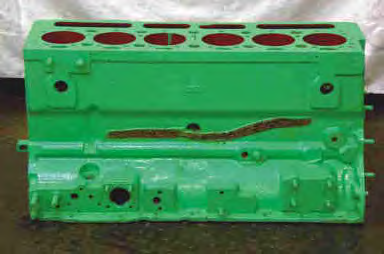
Electrode designed with innovative core wire offers good weldability, high tensile strength, ductility and machinability
Applications:
Typical Mechanical Properties:
Tensile Strength: 53 Kg/mm2
(75,000 psi)
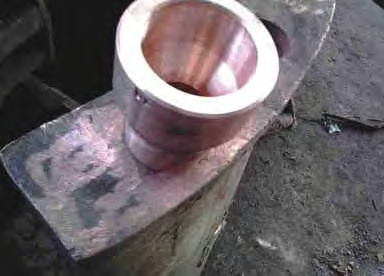
Non-ferrous electrode for welding all grades of copper
Applications:
Typical Mechanical Properties:
Tensile Strength:8 – 15 Kg/mm2
Conductivity: 80% IACS
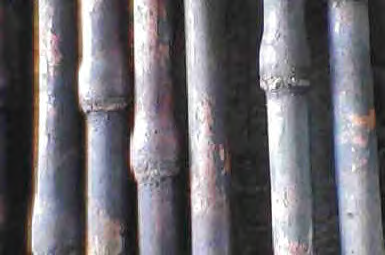
A bronze electrode for welding of bronze, brass, steel, cast iron
Applications:
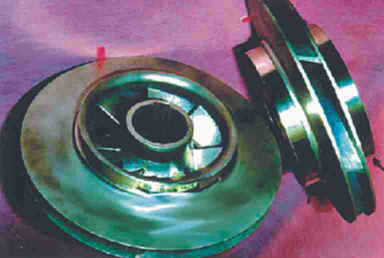
High strength bronze electrode for welding of bronze, brass, carbon steel & cast iron
Applications:
Typical Mechanical Properties:
Tensile Strength: 35 Kg/mm2
(50,000 psi)
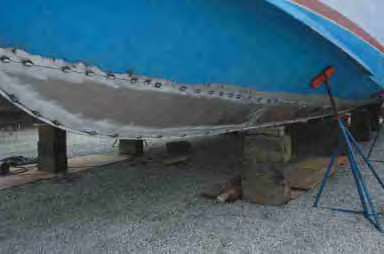
Special aluminium electrode for joining and maintenance welding application
Applications:
Typical Mechanical Properties:
Tensile Strength:25 Kg/mm2
(35,000 psi)
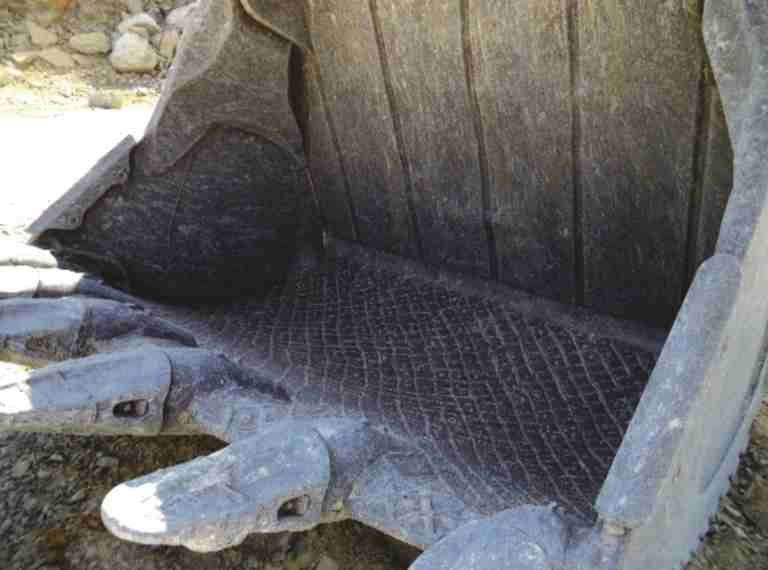
An advanced electrode for applications subjected to abrasive wear
Applications:
Typical Mechanical Properties:
Hardness: 57 – 62 HRc (3 layer)
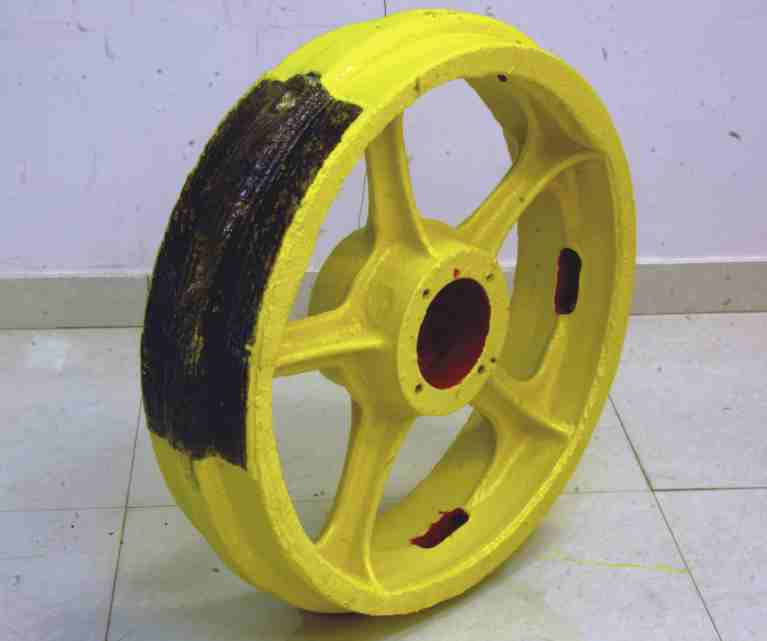
Anti-spalling weld deposit with excellent cushioning, good impact resistance & high compressive strength
Applications:
Typical Mechanical Properties:
Hardness: 28 – 35 HRc (3 layer)
Special electrode for surfacing of cold cutting tool & die application
Applications:
Typical Mechanical Properties:
Hardness: 58 – 65HRc (3 layer)
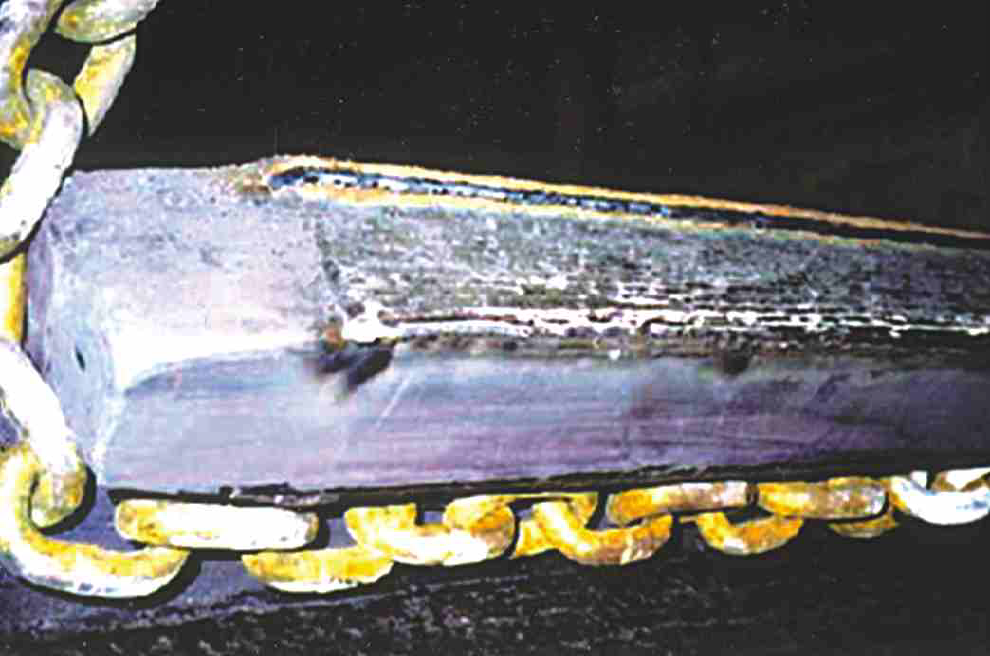
Repair and build-up of drop forging tools and damaged profiles
Applications:
Typical Mechanical Properties:
Hardness: 35 – 45 HRc (3 layer)
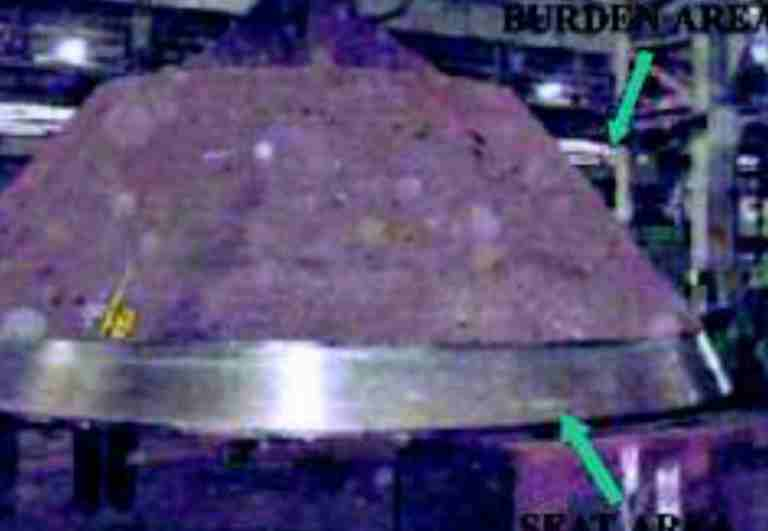
Heat treatable alloy with good resistance to impact and compressive load upto 500oC
Applications:
Typical Mechanical Properties:
Deposit Hardness:
At 30 Deg C 48 – 52 HRc (3 layer)
At 400 Deg C 42 HRc (3 layer)
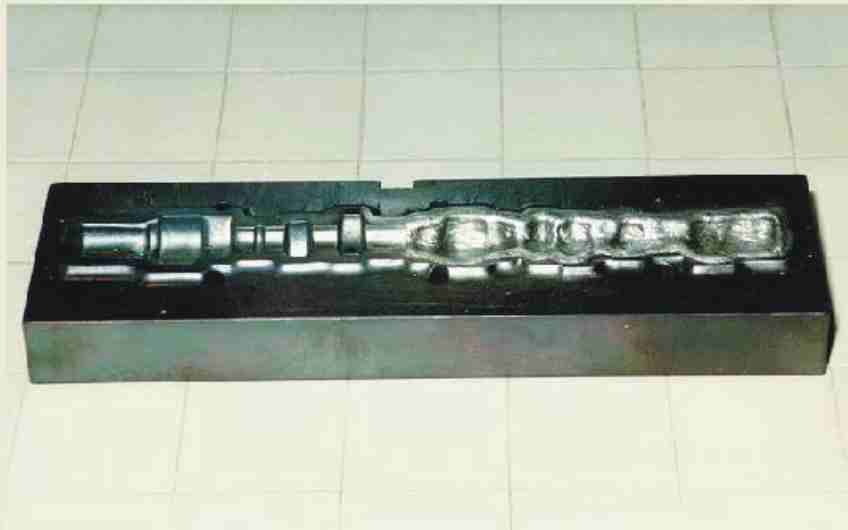
High strength electrode for rebuilding of drop-forging dies
Applications:
Typical Mechanical Properties:
Hardness:
As welded 35 – 45 Rockwell C (3 layer)
After Tempering:
35 – 42 Rockwell C (3 layer)
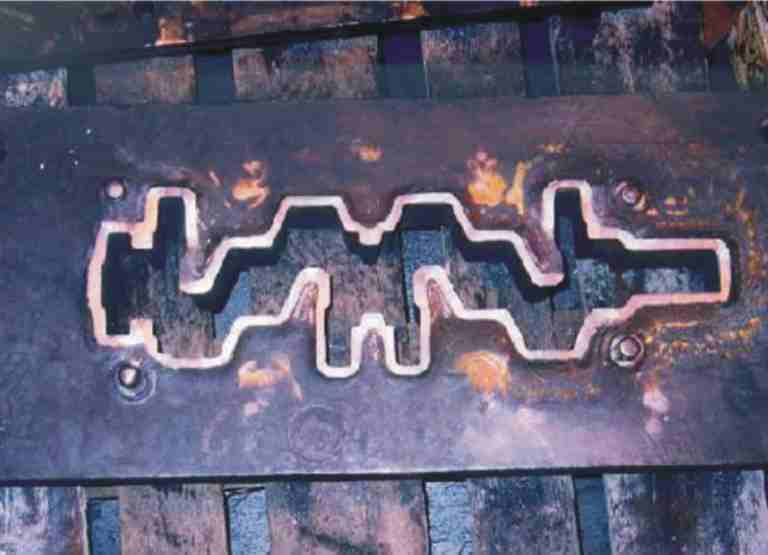
High strength electrode for rebuilding of press-forging dies and tools
Applications:
Typical Mechanical Properties:
Hardness:
38 – 44 HRc (As welded)
36 – 42 HRc (After Tempering)
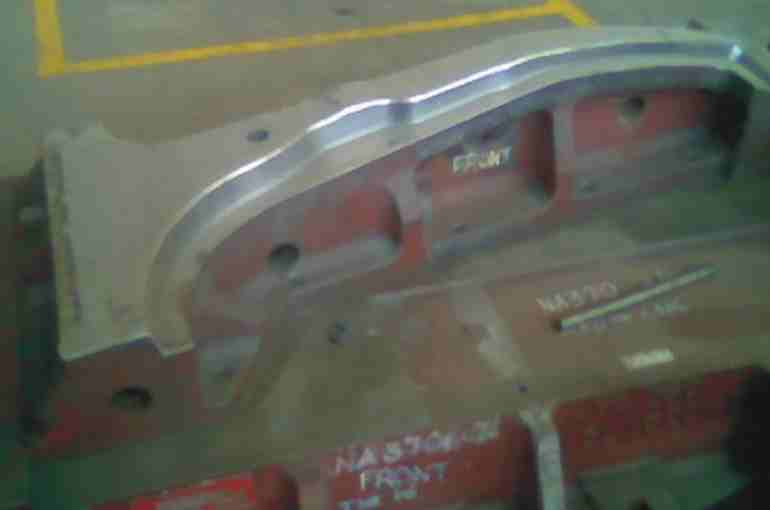
A new generation electrode for surfacing of Cr-Mo alloyed cast iron dies
Applications:
Typical Mechanical Properties:
Hardness:
As deposited 42 – 48 HRc (3 layer)
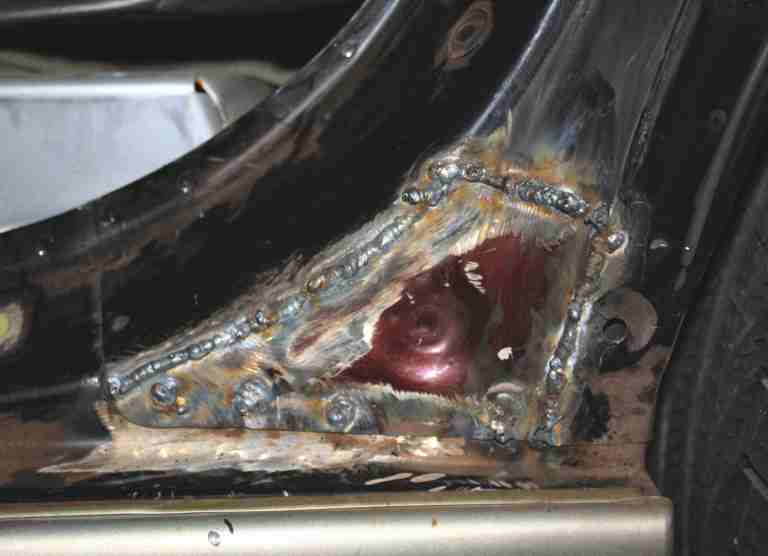
Electrode with excellent shearing properties for automotive die applications
Applications:
Typical Mechanical Properties:
Hardness:
As deposited 54 – 58 HRc (3 layer)
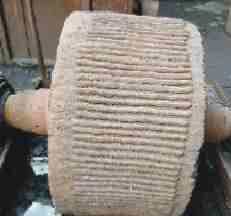
High Hardness Tubular Electrode for Severe Abrasion Resistance
Applications:
Typical Mechanical Properties:
Hardness: 60 – 65 HRc (2 layer)
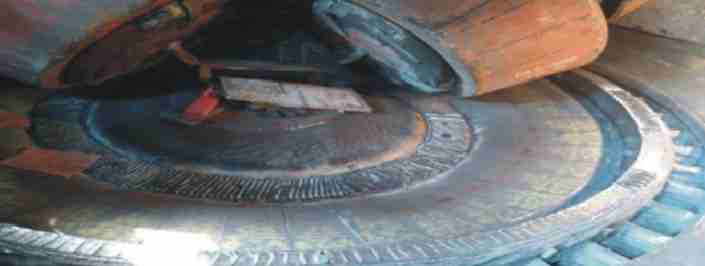
Tubular Electrode with High Temperature Tribological Properties
Applications:
High temperature wear resistant coatings on all type of carbon steels and stainless steels.
Typical Mechanical Properties:
Hardness: 65 – 70 HRc (2 layer)
(on MS); 58 – 63 HRc (on SS 304)
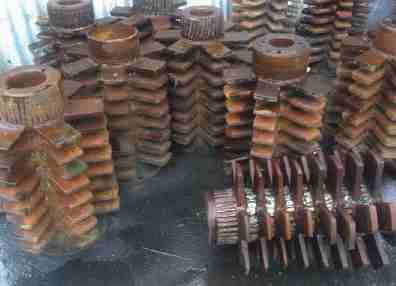
Tungsten carbide based tubular electrode for severe abrasive wear
Applications:
Typical Mechanical Properties:
Hardness: 60 – 65 HRc (2 layer)
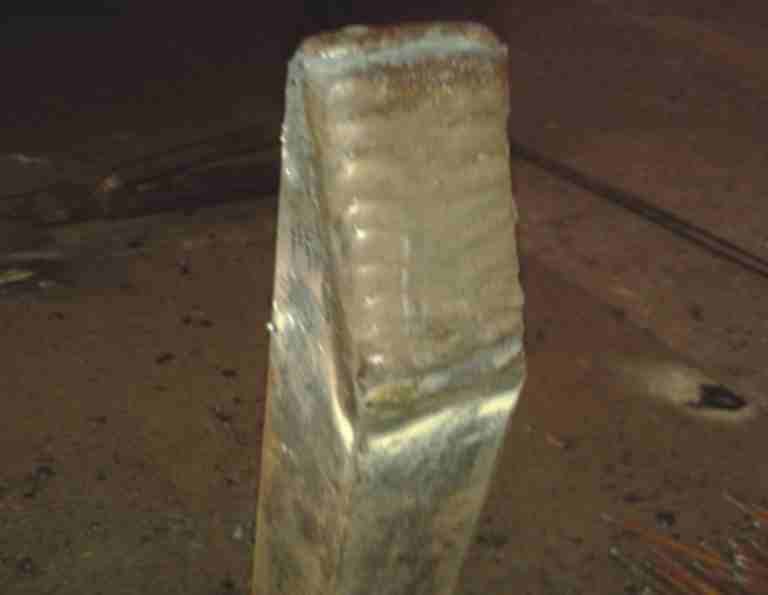
Special electrode for severe abrasive wear at elevated temperature
Applications:
Typical Mechanical Properties:
Hardness: 60 – 68 HRc (2 layer)
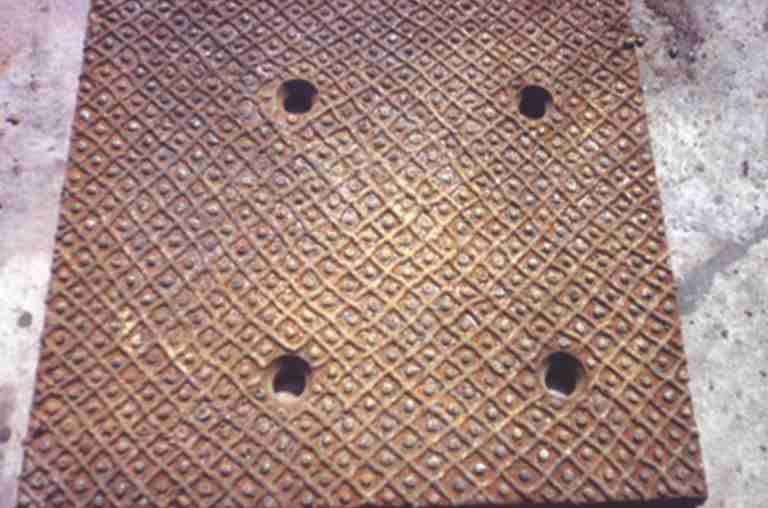
An advanced wear facing electrode designed for severe abrasion applications under pressure and moderate impact
Applications:
Typical Mechanical Properties:
Hardness: 60 – 65 HRc (2 layer)
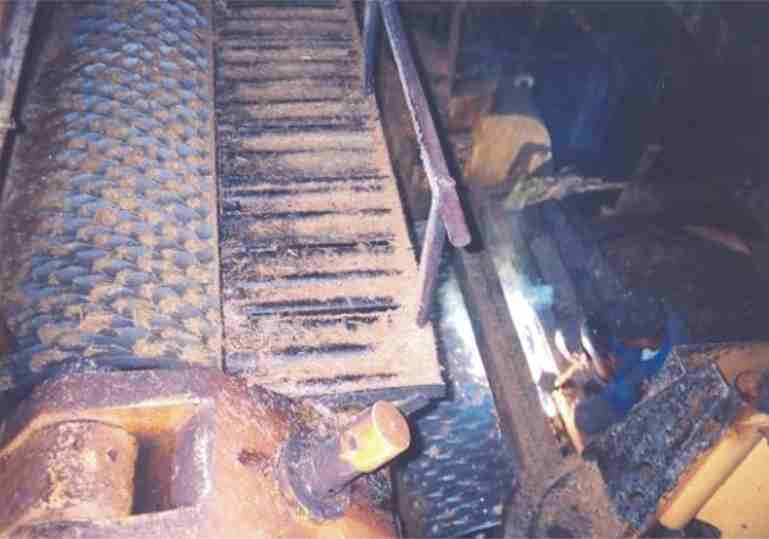
Special electrode for improving gripping & wear protection of sugarcane crusher roll teeth
Applications:
Typical Mechanical Properties:
Hardness: 50 – 60 HRc
A wear resistant hard surfacing ‘paint-on-paste’ for fine particle abrasion & erosion
Applications:
Typical Mechanical Properties:
Coverage: 300 cc/kg of paste (Avg. coating thickness = 1.5mm) Hardness: 68 – 72 HRc
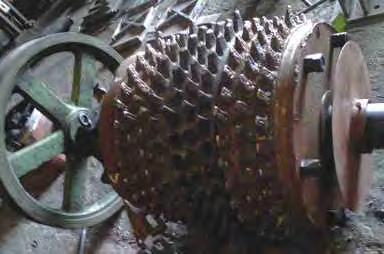
A versatile electrode with excellent resistance to impact with work hardening capability
Applications:
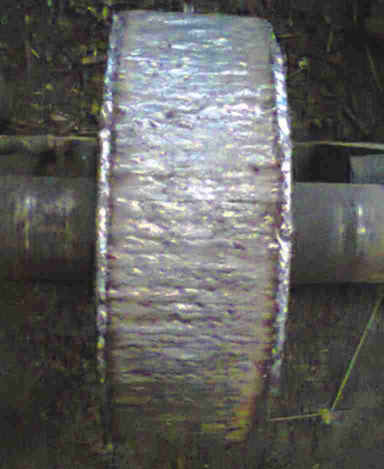
A high alloy electrode for wear protective coating & high strength joining
Applications:
For joining: Under carriage parts, sprockets, ripper shanks
For Build-up: Gear teeth, impactors, sprockets, trencher teeth, bucket teeth, hammers, augers, under carriage components, scrapper blades, crusher jaws
Typical Mechanical Properties:
Hardness:
As deposited 80-95 HRb Work hardened 28-35 HRc
Tensile Strength: 64 Kg/mm2
(90,000 psi)
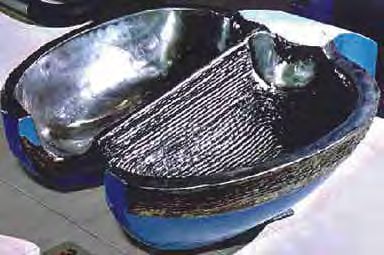
Wear facing alloy for protective coating, repair and joining application on 13% Cr-steels
Applications:
Typical Mechanical Properties:
Tensile Strength: 107 kg/mm2
(1,50,000 psi)
Hardness: 33 – 40 HRc (3 layer)
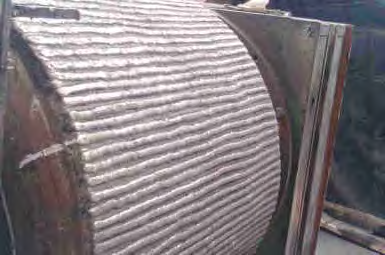
An unique electrode for applications subjected to abrasion, erosion, corrosion combined with impact
Applications:
Typical Mechanical Properties:
Hardness: 54 – 62 HRc (3 layer)
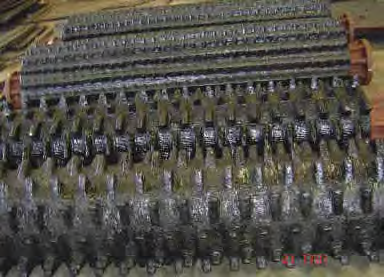
An advanced fastest work hardenable alloy with superior anti-impact property coupled with pressure and abrasion
Applications:
Typical Mechanical Properties:
Hardness:
As deposited 20 – 24 HRc
Work hardened 35 – 48 HRc
Tensile Strength: 87 Kg/mm2
Download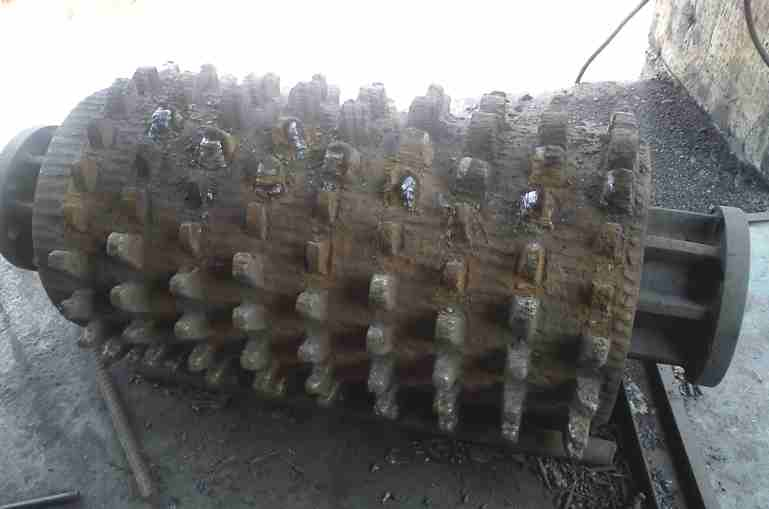
A unique titanium carbide alloy system for wear-facing against severe impact & abrasion
Applications:
Typical Mechanical Properties:
Hardness: 52 – 60 HRc
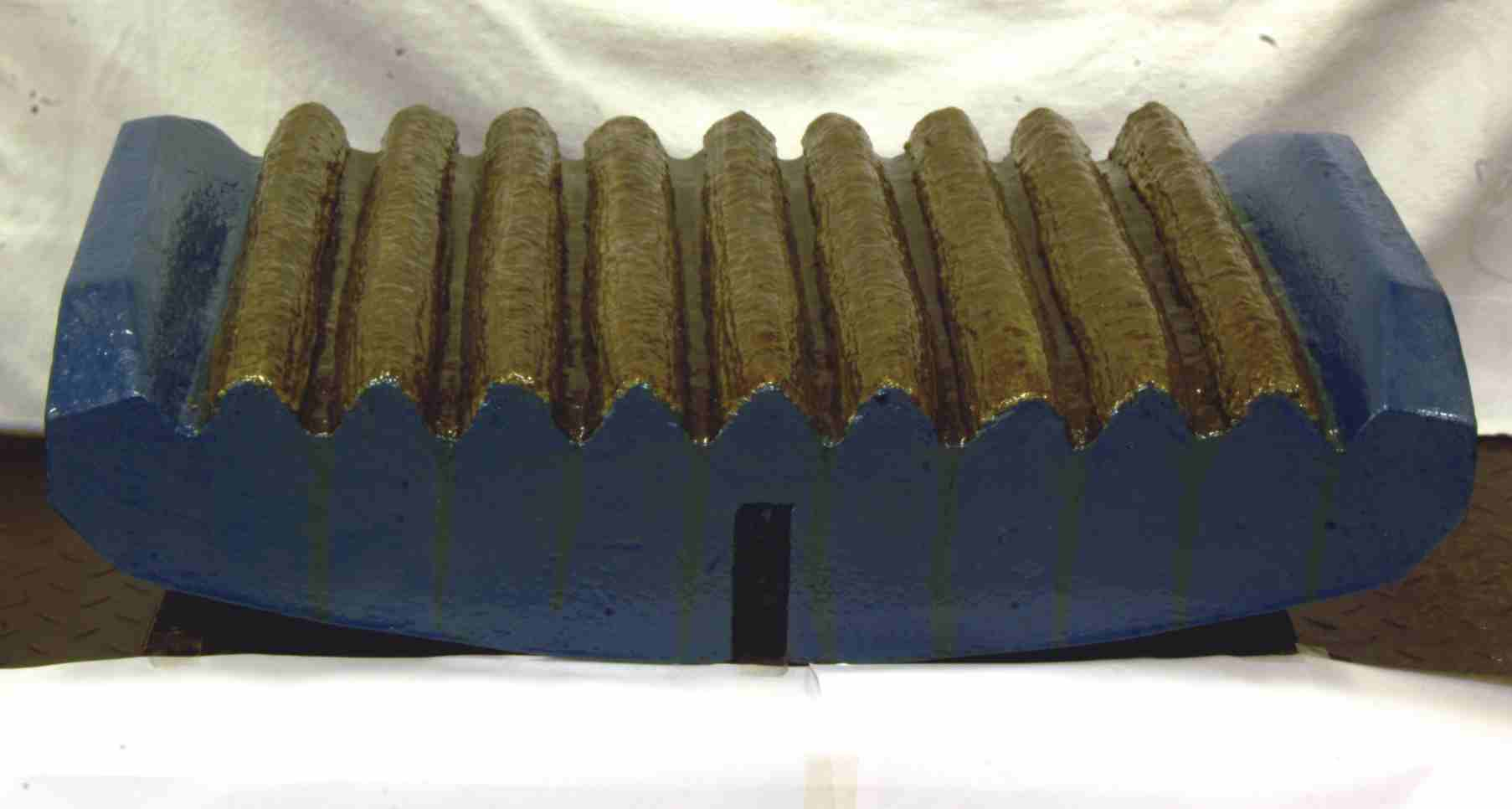
Very high abrasion resistant alloy with extra high deposition rates
Applications:
Typical Mechanical Properties:
Hardness: 62 – 68 HRc (2 layer)
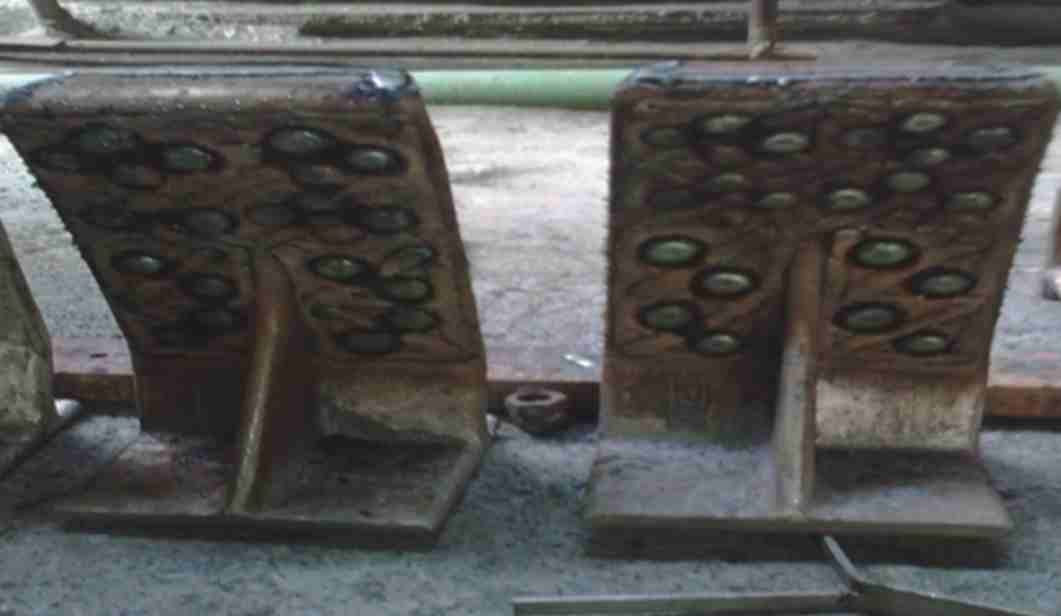
Weld metal with outstanding abrasive wear resistance even at elevated temperature
Applications:
Typical Mechanical Properties:
Hardness: 63 – 69 HRc (2 layer)
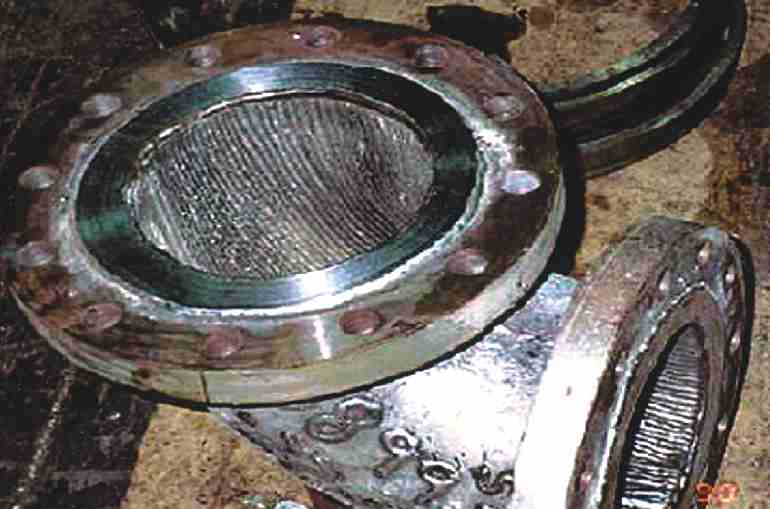
A high alloy electrode for joining and overlaying of nickel based alloys
Applications:
Typical Mechanical Properties:
Tensile Strength: 75 Kg/mm2
(1,05,000 psi)
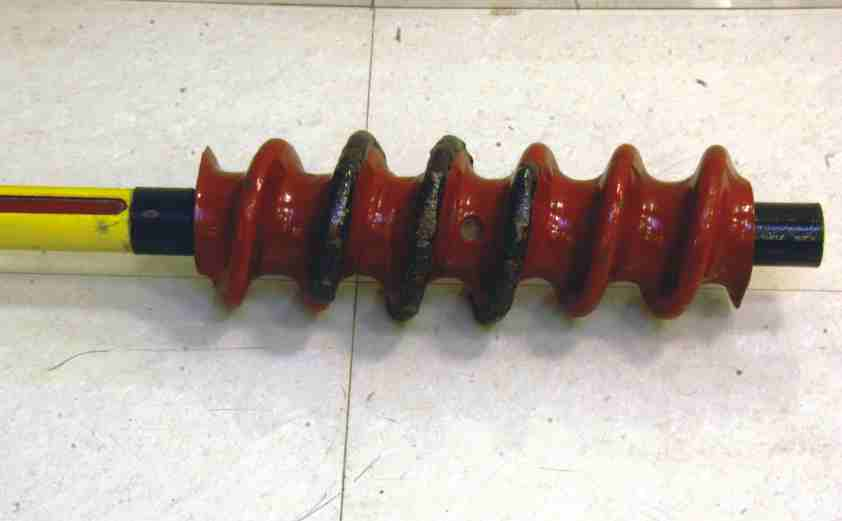
Cobalt base alloy with excellent wear resistance at elevated temperatures
Applications:
Typical Mechanical Properties:
Hardness: 32 – 47 HRc (3 layer)
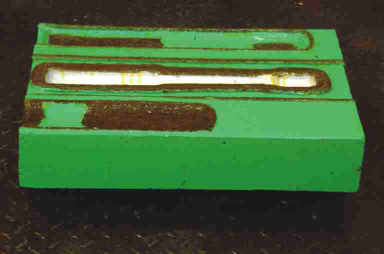
Cobalt base alloy with superior wear properties for critical surfacing and repair applications at high temperatures
Applications:
Typical Mechanical Properties:
Hardness: 25 – 38 HRc ( 3 layer)
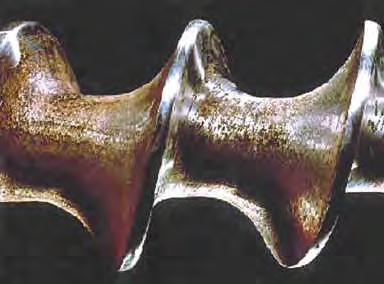
Cobalt based alloy with excellent resistance to heat, impact and abrasion
Applications:
Typical Mechanical Properties:
Hardness: 40 – 52 HRc (3 layer)
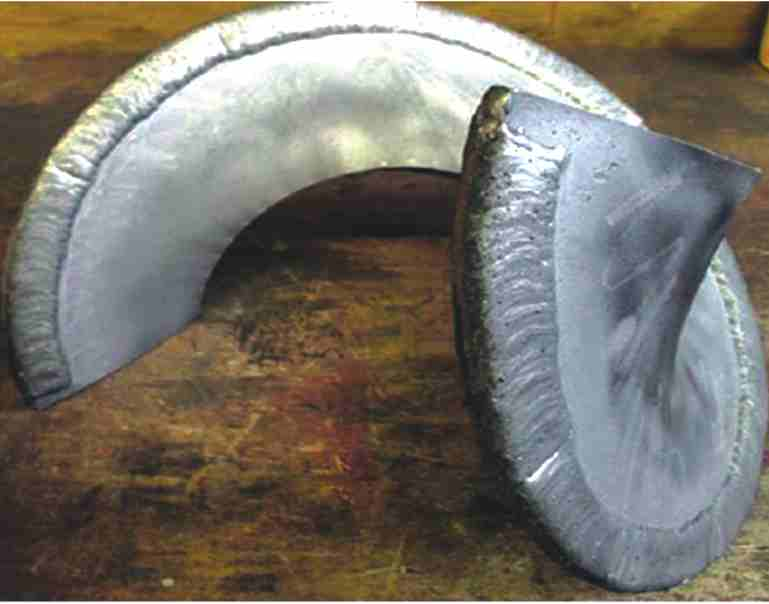
Scientifically engineered electrode based on Nano Technology, that exhibits extraordinary wear resistance given at elevated temperatures
Applications:
Typical Mechanical Properties:
Hardness: 67 – 71 HRc
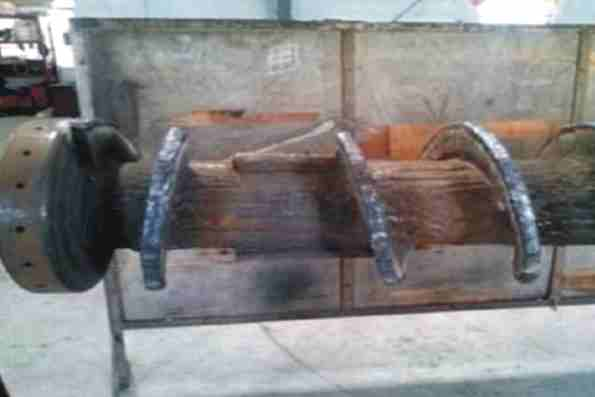
Cobalt based Surfacing Alloy for Hot Abrasion & Corrosion Resistance
Applications:
Typical Mechanical Properties:
Hardness: 35 – 45 HRc
Work hardening Cobalt based Surfacing alloy with Hot Impact Resistance & Edge Retention Properties
Applications:
Typical Mechanical Properties:
Hardness: 28 – 35 HRc (As welded)
45 – 50 HRc (Work hardened)
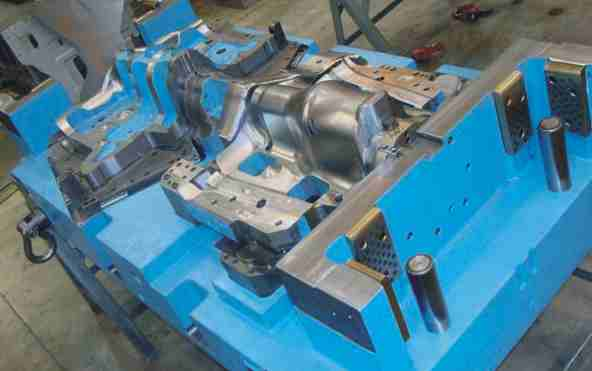
New Generation Electrode for Surfacing and Build-up of Dies & Tools
Typical Applications:
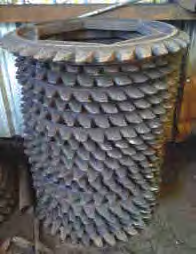
A versatile electrode for superior abrasion resistance
Applications:
Typical Mechanical Properties:
Hardness: 58-70 HRc (3 layer)